One of the things we liked about our farm when we bought it was that it was truly off-grid. That means managing our own power, water and sewage. Truly living the eco dream!
What we weren’t so excited about was the terrible state of the solar generation system. It hadn’t been serviced in the last decade, meaning the lead-acid batteries had been allowed to go dry, the generator was failing, and the lights dimmed every time the water pump when on.
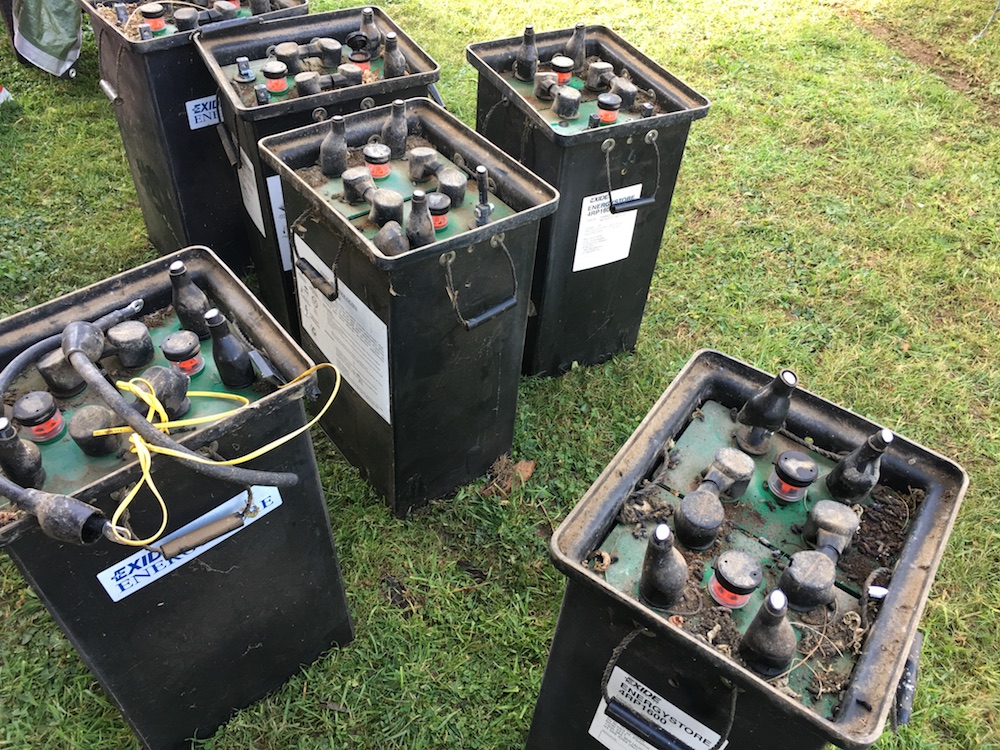
So a brand new PV system was required. Our immediate challenge was finding someone who could sell and install a solar solution.
Our farm is located in a rural setting surrounded by rainforest and fields. But it’s also just 10 minutes away from the nearest town, making it semi-urban.
The net effect is that very few of the local PV systems are off-grid, and few of the local installers had experience with off-grid setups. We wanted someone nearby to do the work, so we could get good post-installation support.

It’s worth highlighting at this point that there are power lines that run across a corner of our property. Connecting to the grid, however, would cost $20-30k, and then we’d have to pay electricity bills.
We ended up getting one good quote for a new system, for a total cost of $30k. So the same up-front cost, but with a lifetime of free power. That was an easy decision.
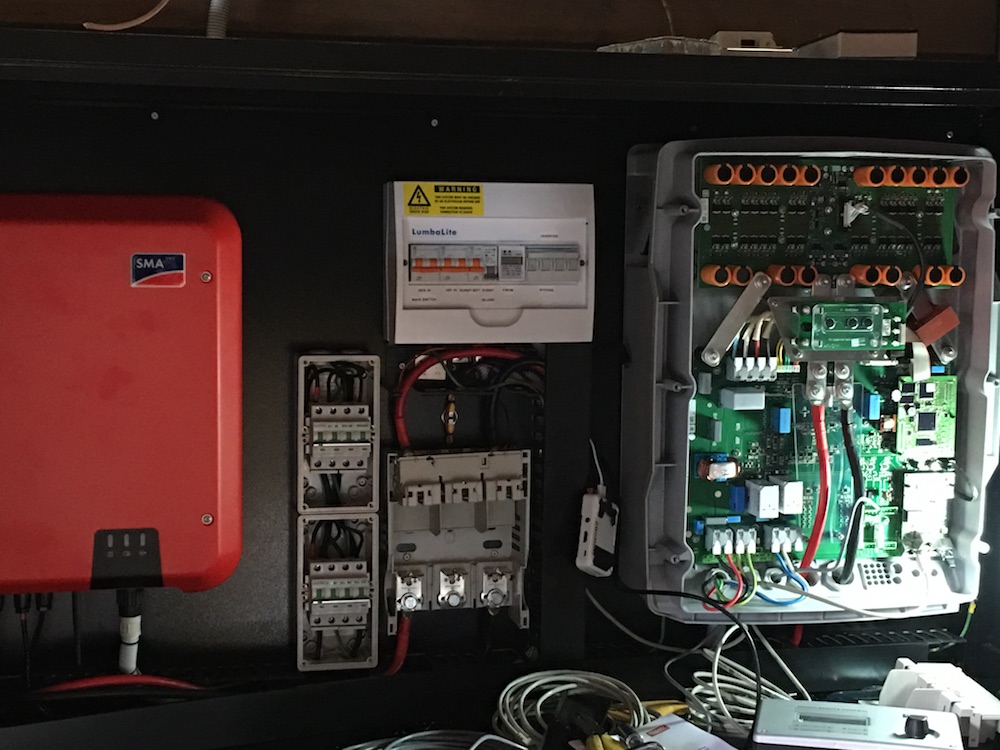
The key components of the system are as follows:
- SMA 6Kw Sunny Island, which is a beautiful bit of kit that charges the battery and manages the local grid
- 5Kw of solar panels, on the north-facing roof of the house
- Sunny Boy inverter for the panels
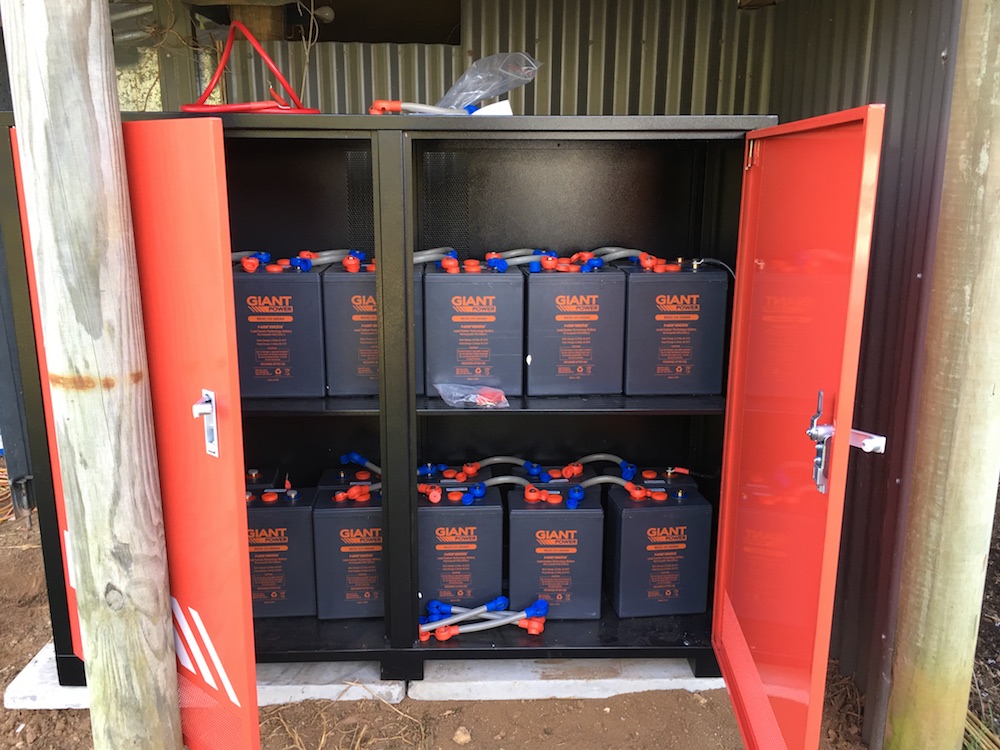
- 17Kwh of battery storage, utilising lead-carbon gel batteries
- 7Kw Honda petrol generator, with auto-start
- web-based interface for monitoring the system
It took the team three days to strip out the old system and to install the new one. Right from the beginning it’s been working well, and getting enough sun even in mid-winter (where the sun hits the panels at 11am, until 3pm when the sun dips behind the mountain).
A few notes:
- The general rule of thumb for off-grid is to have 3 days of usage in the batteries, to cover off the occasional rainy week.
- The generator has been configured to kick in if the batteries reach 30% of capacity, and to then take them back up to 70%.
- We didn’t use lithium-ion batteries (like the Tesla Powerwall) because they’re not yet designed for off-grid, and the price is still too high.
- The system operates as a “local grid”, allowing me to re-install the old PV panels on the new shed, connect them to a small inverter, and then just to wire that into the grid. T’he Sunny Island then manages the load across the system as a whole, which is a very elegant solution.
It’s early days for our solar setup, and we’ll report back as the months unfold.

 Fire Mountain Permaculture
Leave a comment